There are people who arrive quietly and still rearrange the furniture of your chest.
Her eyes are the kind of blue that don’t ask for attention, they simply stay, like a thought you return to when the room goes silent.
Her skin holds light gently, not the way mirrors do, but the way mornings do when they forgive you for yesterday.
Her hair moves as if it remembers the wind long after it’s gone, and her neck carries a softness that makes distance feel unnecessary.
I don’t know when liking became gravity, but suddenly I lean toward the idea of her without meaning to. Some feelings don’t announce themselves, they just sit beside you and feel right.
If this is not love yet, it is something honest learning how to breathe.
And if it is love, then it’s the quiet kind, the kind you protect by not naming it too soon.
Step into the world of Typewronger Books, a charming bookshop in Edinburgh that does so much more than simply sell books. From its humble beginnings in 2017, when founder T began selling books out of a police telephone box on Leith Walk, Typewronger has grown into an essential creative hub for writers, readers, and artists alike. In 2018, the shop opened its doors full-time, and since then, it’s been a place where stories come to life and imagination knows no bounds. This is more than a bookshop—it’s a sanctuary for anyone seeking to connect with words in their purest form.
In this episode, we dive deep into the heart of this special place, exploring the community-driven spirit that makes Typewronger truly unique. With a strong focus on poetry, open mic nights, and zine-making workshops, this shop has nurtured the creative souls of Edinburgh. You can join in on the fun by attending monthly open mic nights, where poetry, comedy, music, and short stories take center stage. If you’re feeling adventurous, why not participate in one of their resograph zine-making workshops, hosted at their studio in Meadowbank? It’s all about making and sharing—creativity thrives here.
But the magic doesn’t stop there. Typewronger Books is also home to a typewriter, and it’s not just for decoration. You’re invited to use it to write a letter, note, or poem. Afterward, the wonderful founder of the shop will help you send it off, or you can take it home as a personal memento. It’s all about expressing yourself, letting the words flow, and feeling a true connection with the community.
If you’re in Edinburgh, visit this late-night haven, where the doors are open from 11 AM to 9 PM. Read, write, and find a sense of belonging in this beautiful space that encourages all forms of expression. Remember, every book read should be followed by something you create. Write more, express more, and keep the stories flowing. 📚✍️
Support your local independent bookstore. Write more, live more, and let your creativity soar.
Knowing this, the writer reaches a point where writing itself becomes unbearable. He understands that to finish the story honestly would mean accepting the one outcome he cannot live with. Caught inside this dilemma, he begins to speak to his own conscience. This conversation is not dramatic or confrontational. It is quiet and inevitable. The conscience does not comfort him or offer alternatives. It simply reminds him of the truth. That no matter what he does, the ending will not change. That the loss is unavoidable. That the story must end where it always ends. That he has to put it there.
The conscience tells him something simple and devastating. If you do not end the story, he stays hopeful forever. As long as the final line is not written, the ending does not arrive. Time remains suspended. Hope survives, even if it leads nowhere. The writer understands this completely. He realises that he is faced with a choice not between happiness and sadness, but between certainty and possibility.
He knows that if he writes the ending, he will lose her forever. The loss will become real and irreversible. But if he refuses to write it, the ending will never happen. He will remain in a state of waiting, trapped in a hopeless reality with no possibility of a future, yet still holding on to the presence of love. He chooses this state consciously. Not because it promises happiness, but because it allows love to exist without being taken away.
And so, the writer makes his decision. He does not change the ending. He does not rewrite it. He simply denies its existence. He closes the book before the final line can be written. In doing so, he accepts a life of waiting over a life of loss. He accepts uncertainty over finality. He accepts hope, even if it never resolves into anything more.
His final words are not a resolution, but a refusal.
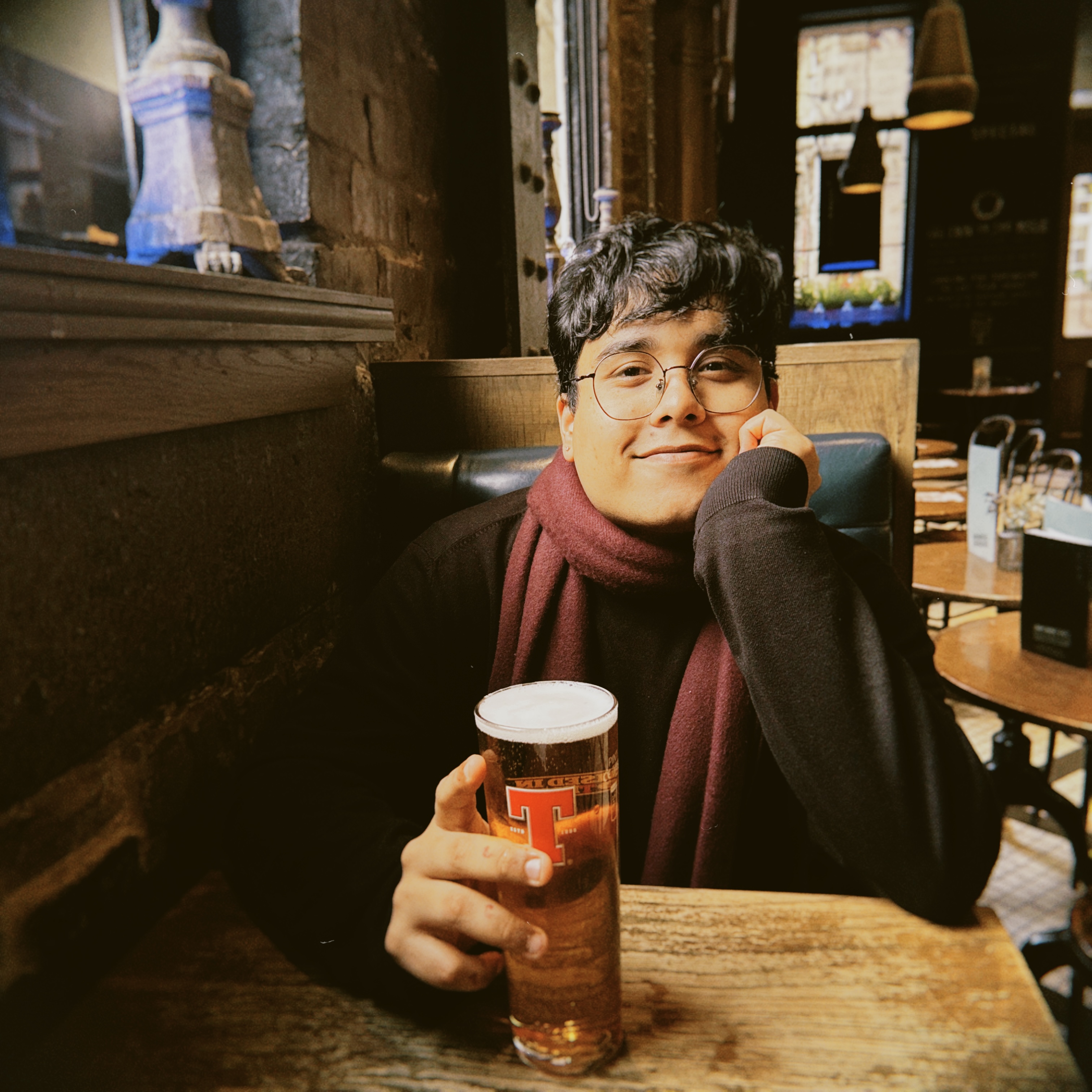

 Aaditya Bajpai