There are people who arrive quietly and still rearrange the furniture of your chest.
Her eyes are the kind of blue that don’t ask for attention, they simply stay, like a thought you return to when the room goes silent.
Her skin holds light gently, not the way mirrors do, but the way mornings do when they forgive you for yesterday.
Her hair moves as if it remembers the wind long after it’s gone, and her neck carries a softness that makes distance feel unnecessary.
I don’t know when liking became gravity, but suddenly I lean toward the idea of her without meaning to. Some feelings don’t announce themselves, they just sit beside you and feel right.
If this is not love yet, it is something honest learning how to breathe.
And if it is love, then it’s the quiet kind, the kind you protect by not naming it too soon.
Step into the world of Typewronger Books, a charming bookshop in Edinburgh that does so much more than simply sell books. From its humble beginnings in 2017, when founder T began selling books out of a police telephone box on Leith Walk, Typewronger has grown into an essential creative hub for writers, readers, and artists alike. In 2018, the shop opened its doors full-time, and since then, it’s been a place where stories come to life and imagination knows no bounds. This is more than a bookshop—it’s a sanctuary for anyone seeking to connect with words in their purest form.
In this episode, we dive deep into the heart of this special place, exploring the community-driven spirit that makes Typewronger truly unique. With a strong focus on poetry, open mic nights, and zine-making workshops, this shop has nurtured the creative souls of Edinburgh. You can join in on the fun by attending monthly open mic nights, where poetry, comedy, music, and short stories take center stage. If you’re feeling adventurous, why not participate in one of their resograph zine-making workshops, hosted at their studio in Meadowbank? It’s all about making and sharing—creativity thrives here.
But the magic doesn’t stop there. Typewronger Books is also home to a typewriter, and it’s not just for decoration. You’re invited to use it to write a letter, note, or poem. Afterward, the wonderful founder of the shop will help you send it off, or you can take it home as a personal memento. It’s all about expressing yourself, letting the words flow, and feeling a true connection with the community.
If you’re in Edinburgh, visit this late-night haven, where the doors are open from 11 AM to 9 PM. Read, write, and find a sense of belonging in this beautiful space that encourages all forms of expression. Remember, every book read should be followed by something you create. Write more, express more, and keep the stories flowing. 📚✍️
Support your local independent bookstore. Write more, live more, and let your creativity soar.
I met her by accident, the kind that feels scripted only after it’s already gone.
We were standing inside the Bedlam Theatre, pretending to listen, pretending to be strangers who weren’t about to collide into something irreversible. Old walls, tired wood, stories echoing where footsteps once mattered. And then there she was, leaning slightly forward, like she belonged to curiosity more than certainty.
She had that kind of light on her face that doesn’t try to be beautiful. It just is. Skin catching the day softly, as if the sun had learned restraint for her. A smile that didn’t ask for attention, but took it anyway, wide, unguarded, the kind that makes the world feel briefly forgiven. Her eyes weren’t loud. They were calm. Honest. The kind that look like they’ve already decided to trust you before you’ve earned it.
There was an ease to her. Shoulders relaxed. Hair tied back, not to impress anyone, but because the day asked for practicality. She looked like someone who laughs easily and leaves quietly. Like someone who belongs to moments, not places.
I fell in love with her there. Not the dramatic kind. The helpless kind. The kind that happens when your heart doesn’t wait for your permission.
We spoke. Briefly. Casually. As if our voices were aware of the lie we were telling ourselves, that this was just another afternoon, another tour, another stranger. I remember thinking how unfair it was that she existed so gently in a world that never gives warnings.
And then she left.
An exchange student. Temporary by design. A passing chapter pretending to be a whole book. She didn’t stay long enough for me to be brave. Didn’t stay long enough for me to say goodbye. The word never even made it to my mouth. It stayed lodged somewhere between my ribs and my throat, unfinished, like us.
No closure. No ending. Just absence.
And that’s the confusion of it. Nothing went wrong. Nothing broke. She just left. And my love story remained exactly where it began, unspoken, unfinished, unbearably warm.
Some people arrive like storms. She arrived like sunlight through an old theatre window, beautiful, quiet, and gone before you realize you were standing in it.
I saw her today. Or maybe I didn’t. Maybe it was only the idea of her wearing a familiar face, moving through a very ordinary afternoon, pretending not to undo me.
She was struggling with a grocery bag, too full, cutting into her fingers like it didn’t know how precious it was to be held by her. I remember thinking how strange it is that the world keeps asking her to carry more than she should. I remember wanting to take the bag from her, not because it was heavy, but because loving her always felt like a reflex my body learned before my mind could stop it.
There was this one strand of hair. Just one. It had escaped, like it didn’t belong to the rest of her, like it was trying to tell me something I already knew. It kept falling into her face, soft and annoying and perfectly timed. She tried to shake it away, failed, smiled at her own failure. And God, in that moment, I wanted to be there so badly, not to say anything heroic, not to fix her life, just to slide that strand behind her ear. Just that. Just the smallest intimacy that feels larger than forever.
And that’s how I knew I was in love again. Not loudly. Not dramatically. But quietly, inconveniently, like muscle memory. Like my hands remembered her even when my life had learned to live without her.
It’s confusing how love doesn’t ask for permission. How it returns without explaining where it’s been. How it doesn’t hurt, but it doesn’t heal either. It just exists. Standing across the street. Carrying groceries. Being human.
This isn’t sad. That’s the strange part. It’s tragic in the way sunsets are tragic, because they don’t stay, not because they aren’t beautiful. I don’t mourn her. I don’t chase her. I just love her, again, in this soft, useless, impossible way.
And maybe that’s enough. Maybe love doesn’t always need to be lived. Sometimes it just needs to be noticed.
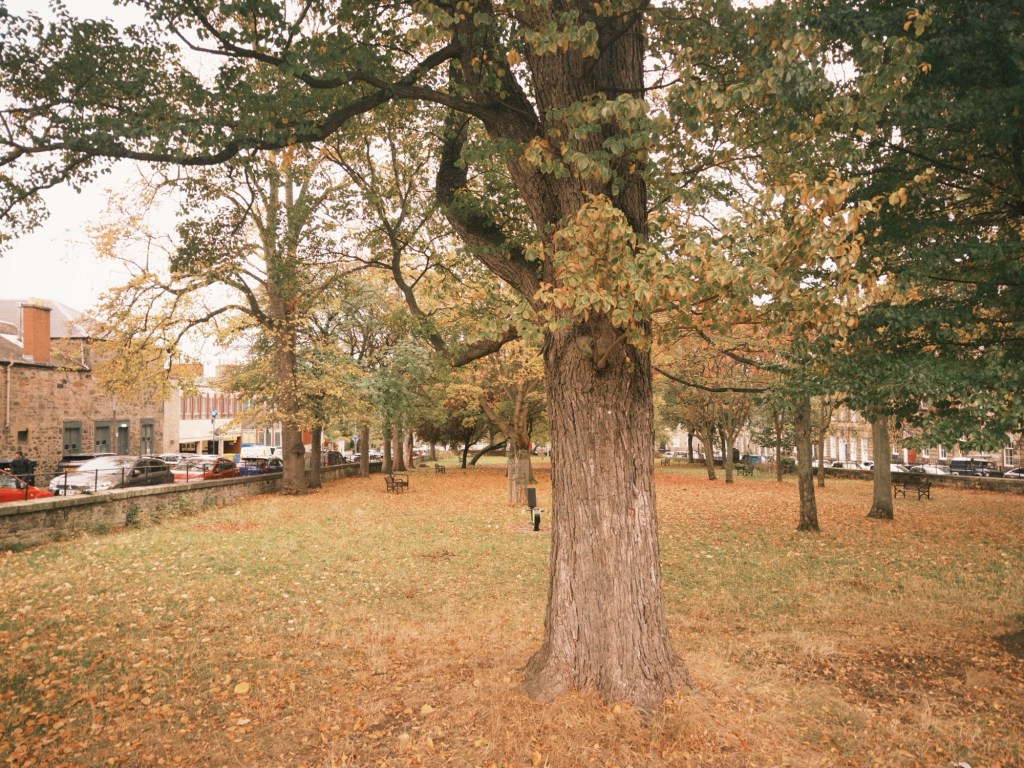
I saw her here right in this garden in Edinburgh. The air was soft and cool and every corner of this place whispered of something ancient and tender. The leaves had fallen quiet under the weight of autumn. The flowers were tired. Even the sun seemed unsure of its warmth. But then there was her. Standing there like the last piece of summer that refused to fade.
She bent down and touched a leaf that had turned brown, brittle, almost gone. I remember holding my breath as if I knew something was about to happen. Her fingers brushed against it so gently that even the wind paused. And in that stillness I saw it. The leaf shimmered for the smallest second, and the green came back to life. It was as if spring had found a way to bloom through her touch.
Her eyes were the kind you do not just look at, you fall into them and never really climb back out. They had that colour of honey mixed with dusk. A warmth that holds you without asking. A light that hurts and heals all at once. When she looked up the whole garden changed its breath. The world seemed to tilt toward her, as if everything in it was trying to get just a little closer.
The curls in her hair caught the light like they were made of it. They fell freely, the way music spills from an open window on a quiet street. I remember thinking that even if time stopped right there it would still not be enough to hold her beauty. There was something endlessly alive about her, something that refused to belong to just one moment.
And I, standing there like a fool, felt the season inside me change too. Everything cold began to melt. Everything lost began to return. I think that is what love does. It takes your dying autumns and quietly turns them into spring.
Kafka wrote, in one of his letters to Milena, that “Dear Milena, I wish the world were ending tomorrow. Then I could take the next train, arrive at your doorstep in Vienna, and say: Come with me, Milena. We are going to love each other without scruples or fear or restraint. Because the world is ending tomorrow.”
And then I think of you. Not in a way that is linear, not in the way that sane minds think of another, but in a way that bends in on itself, like light trying to fold back into its own shadow. What Kafka said, I wish to say, though with a trembling that I cannot hide. If the world did end tomorrow, I would not ask for explanations, for your careful reasons, or for the logic you cradle in your palms like broken glass. I would only say, “Come with me. Let us love like cowards never could.”
But the world does not end. And therein lies the cruelty. It keeps moving, like an unkind clock that mocks the weight of our longing. And so I circle around you, endlessly, in words that refuse to arrive.
I wonder if my love for you is an apocalypse already disguised as devotion? Because every time I think of your name, the world does collapse for a moment, the streets blur, the air trembles, and my chest becomes a house with all its windows shattered open. Perhaps the world ends a thousand times a day, but only for me. And you, you walk untouched, unaware, as though immune to the ruins I carry.
Yet, if I had his courage, the courage of Kafka, who never quite had the courage, I would come to you and say, “The future is a lie; tomorrow is a fraud. Let us burn the maps and calendars and live in the violent honesty of this second.” Love me now, not later, not someday, not when the world gives permission, but now, as though the world had already ended, and the silence after the end belonged to us.
But I do not come. I only write. And writing is my cowardice & my devotion braided into one long, endless, unraveling confession. So, in the end, I keep loving you through my words. Because even the words and worlds might end, but my love for you won’t.
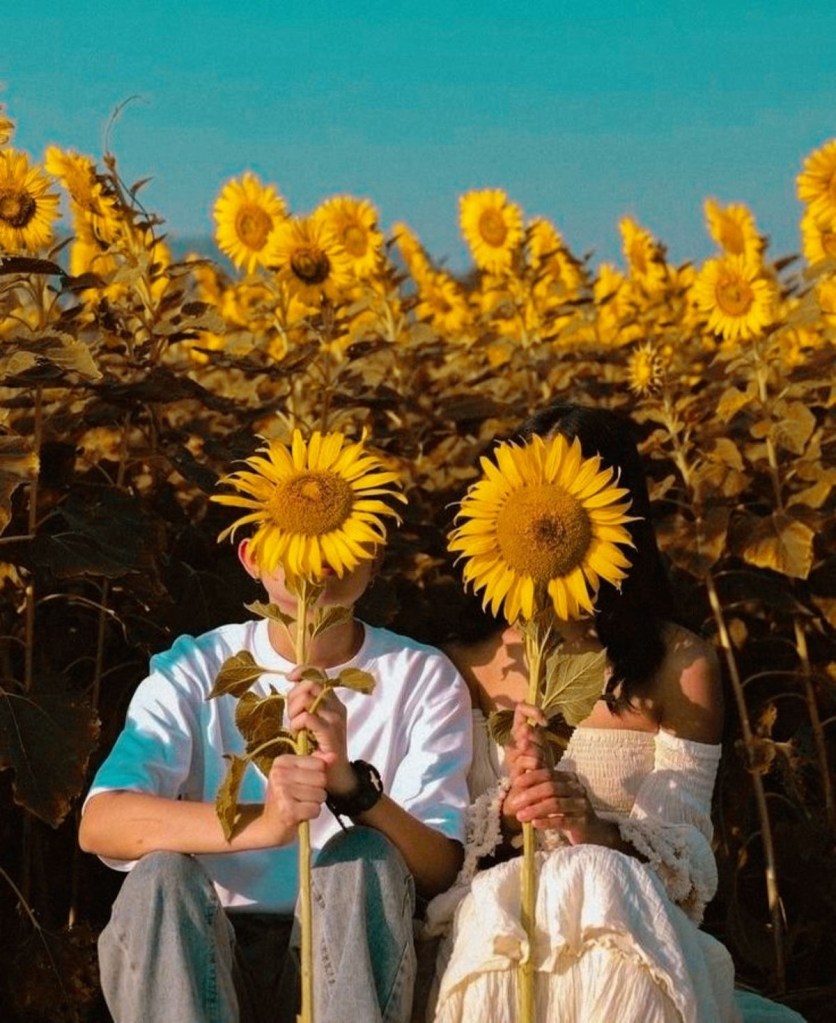
There are some things that silence cannot hold. Her name, for instance, always escapes it. It spills out of me like sunlight through the cracks of an old window, soft and stubborn and unwilling to stay quiet. Do you ever feel like you’re lying down in a field full of sunflowers, the sunlight brightening up your face, with this cool wind blowing the strands of your hair, and suddenly soft romantic music plays in your head? I have. And that’s the proof; I am in love.
I have tried, I swear I have tried, to speak of her with restraint, but she makes poetry of my breath. And what can a man do when even his pauses begin to rhyme?
She is not merely beautiful, though even the stars might dim themselves in her presence out of humility. No, she is good. In a way the world no longer teaches. There is a mercy in her laughter that forgives even the worst parts of me. And when she speaks, it is not only my name that she calls, but some forgotten version of myself I had long abandoned. With her, I am more than I have ever dared to be.
You once told me that love is a kind of madness, a soft unraveling of the sensible self. Then let me be unmade. For if all love is madness, it is the sweetest kind, a fever I do not wish to break. I would trade reason for the sound of her footsteps and certainty for the chance to hold her hand on an uncertain day.
She is not the answer to my life’s questions. She is the question itself. I will dedicate a lifetime to asking her the right questions. The one that makes the rest of the world fall into place, not because she solves it, but because she makes it worth solving.
And so I love her. Not in loud declarations, but in the way I move toward the light when I hear her voice. In the pauses I save just for her. In other words, I no longer need to say it.
There are nights I wake up in the middle of a sentence I never started. My tongue remembers a name my mouth refuses to say. I sit at the edge of my bed, elbows to knees, and trace shadows on the floor like they’re maps to a place I never had the courage to go. Sometimes I think love is just muscle memory, your body turning back even when your mind has made peace. Or maybe that’s grief, I’m not sure. The two have started blending like colours in a storm, and I can’t tell whether I’m drowning in longing or being reborn by it.
There are people you never stop writing letters to, even when they’re not reading. People who haunt your poems not as ghosts, but as punctuation, showing up as commas when you try to move on, ellipses when you almost do, and a question mark every time you think you’ve stopped feeling. I laugh too loud now, like I’m trying to echo into a version of myself that once made someone feel safe. But it’s strange, isn’t it? How safety can feel like a shiver in your spine and danger can feel like coming home. I don’t trust what feels like comfort anymore.
I think I’ve been chasing the version of love I imagined before I ever knew what it was. Not the kind they sing about or the kind they leave you with in movies, but the kind that sits quietly in your throat when you’re pretending to be fine. The kind that slips out when you overexplain your silence or apologize for being too much. I’ve loved in metaphors and been left in parentheses. I’ve waited in doorways that were never mine to walk through. I’ve been both the echo and the mouth that started it all.
Someone once told me I romanticize everything about her. But tell me, what else do you do when reality doesn’t fit your heart? I’ve built cities out of glances and entire galaxies out of half-meant sentences, all for her. I’ve survived more on imagined tomorrows than remembered yesterdays.
I don’t know if I want to be loved or just understood. I don’t know if I’m healing or rehearsing. There’s a difference between moving on and pretending you have. I keep confusing the two.
So tell me, is this what you call the space in between being a hopeless romantic and a hopeful lover?
I spoke to the spaces between words today because they felt more honest than what I’ve become. I keep retracing conversations like they’re constellations, trying to find the shape of what broke us, but maybe it was never one shape; maybe it was a shifting thing, maybe I was the shift. Or maybe silence crept into the cracks I pretended didn’t exist, and I fed it too long, mistaking quiet for peace.
You once said you liked the rain but hated getting wet, and I laughed like that was a metaphor and not a warning. Now I stand in every storm without an umbrella, thinking maybe this is penance or poetry, or some fusion of both where neither makes sense. I keep thinking of your voice at 2:07 a.m., how it could ask, “Are you okay?” like it had already cradled my answer. Now I only ask myself that in the voice you left behind.
There are hours I scream internally in Morse, in backwards scripts, in letters never sent and messages unsaid, hoping you catch the wavelength of guilt I broadcast. I don’t even know if it was one thing or many tiny careless ones—like paper cuts from pages I didn’t bother to turn.
And if time’s supposed to heal, why does it ask for more of me every day? Why do I keep rehearsing apologies in mirrors too tired to reflect anymore? I’m not asking for yesterday; I’m not asking for forgiveness wrapped in neat conclusions. I just want to know, what version of me do I have to tear apart, rebuild, unlearn, and relearn for the path to shift even slightly toward the place where you don’t look away?
How do I make things right? Tell me where to begin. Even if I won’t like the answer.
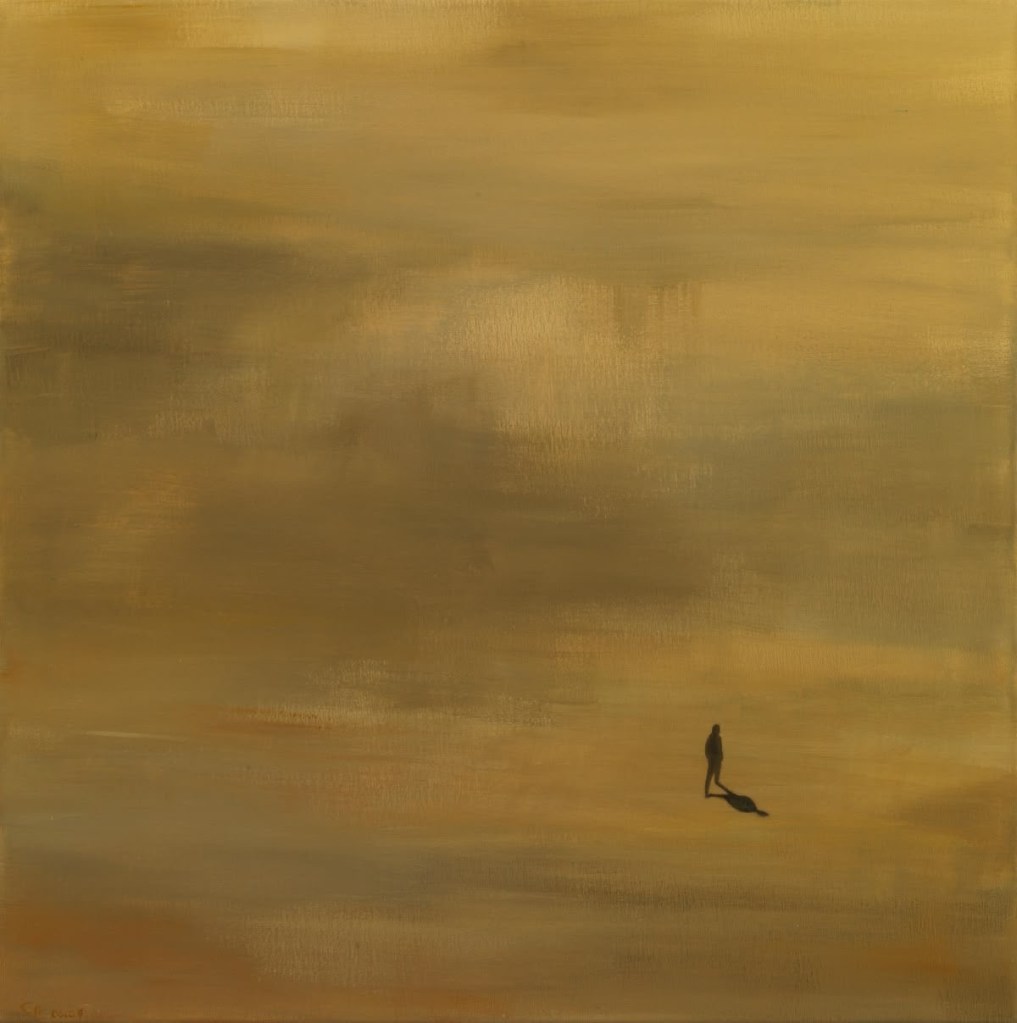
I once sat by a broken clock that ran backwards and thought it was wiser than me. It hummed in rusted circles, and I, a fool with open hands, kept asking it for the right time. The trees around whispered sideways, and the river bent into knots, laughing with its back turned. I didn’t mind. I kept waiting.
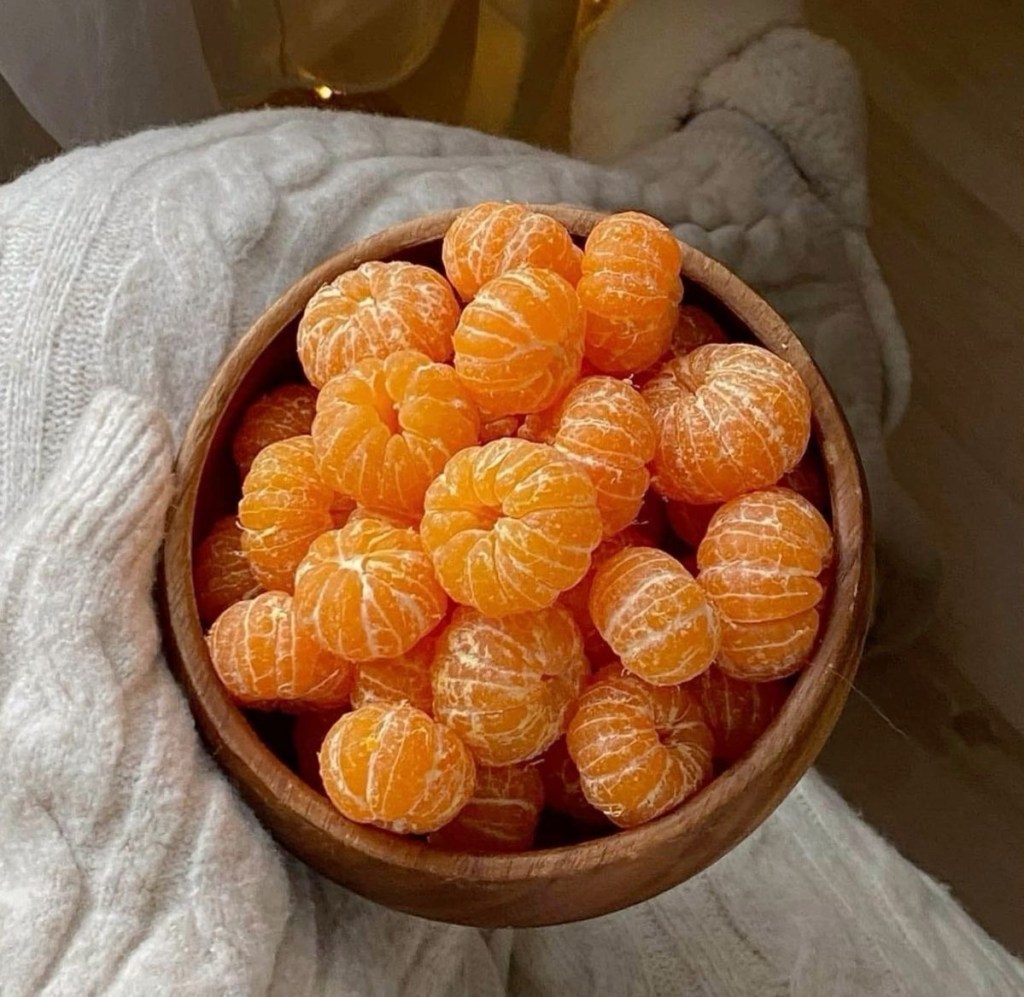
You were somewhere in the smoke, maybe dancing, maybe just breathing, maybe peeling sunlight off an orange, one slow curl at a time. I didn’t know. I just knew the sky had changed its spelling the day I saw you.
Sometimes, I carry a basket full of rain to the hill where all the forgotten things are sleeping. I’d empty it there, thinking maybe you’d find a drop and recognise it as mine. Sometimes I planted chairs in the dirt, hoping one would grow into a table for two. Nothing ever sprouted, but I kept sitting anyway, waiting for the feast.
The birds stitched holes in the clouds with threads of melted snow, and the ground became soft enough to write names in with my bare feet. I wrote yours until the letters got tired of standing straight and lay down to sleep. I didn’t mind. I kept walking.
There are rooms in my heart where the windows are stuck half-open and the rain drips inside when it wants. I never fix them. Maybe one day, you’ll come and sit inside, knees tucked, shoulders warm, holding an orange between us, peeling it slowly, the juice running down our thumbs like tiny suns.
And I will wait. Through every crooked hour, every river that forgets where it’s going, every chair that refuses to bloom, every letter that collapses into dirt.
 Aaditya Bajpai