I kept writing, like the page remembered her better than I did, like every line was a hand reaching for her in the dark. Even when I called it fiction, it wasn’t. Each poem a quiet unveiling, not of who she was, but of how she felt. My poetry was never just words, it was…
I kept writing, like the page remembered her better than I did, like every line was a hand reaching for her in the dark. Even when I called it fiction, it wasn’t. Each poem a quiet unveiling, not of who she was, but of how she felt. My poetry was never just words, it was the canvas where I kept painting her, again and again, until the page began to look like love.
There is a part of the sky that forgot how to move the day she looked at me like I was more than a flicker. It stiffened right above the fifth cloud where the weight of her name still sits on my chest like wet linen. The sun still wakes up but the light feels…
There is a part of the sky that forgot how to move the day she looked at me like I was more than a flicker. It stiffened right above the fifth cloud where the weight of her name still sits on my chest like wet linen. The sun still wakes up but the light feels synthetic like someone drew it on a screen and forgot to switch it on. The clouds try to dance but I know they are lost. They spin in circles like they too are looking for her. Nothing up there changes anymore. They are all pretending.
Before her I read the sky like scripture. Rain meant sadness. Thunder meant guilt. Sunsets were guiltier. The light used to confess things I didn’t have the courage to say. But now even the storms feel fake. The moon peeks out like it’s unsure of its own glow. Maybe even the stars have stopped trying because they saw her once and understood they could never outshine something like that.
Someone told me skies change because time moves. But what if time gave up when her fingers brushed mine that evening. What if time bent its knees and stayed still. What if every second since then has been the same second looped. I walk through days like they are mirrors reflecting the moment she said my name like a prayer she didn’t believe in. I don’t think I’ve aged. I think I’ve just dried out in the silence.
There is a color I see now it isn’t blue not really but something bruised like a memory that got stuck in the throat. It bleeds behind my eyelids when I close them. It hums under my skin like a cold echo. It’s in every sky since her. The color refuses to leave even when it rains. Especially when it rains.
I tried making the sky new again. I painted mornings with borrowed light. I begged sunsets to give me something else to look at. I screamed into the wind hoping it would rearrange the clouds into something unfamiliar. But every horizon carries her outline. Every shadow is a repetition of her shoulder. The whole sky is a shrine now and I am the fool kneeling in it asking for nothing but more of the same ache.
People say skies don’t remember. That they move on each morning and begin again. But mine wore her once and that was enough. It wrapped her into its folds and said this is it we’re done evolving.
And I look up not to hope not to wonder but to witness. Because the sky may change for them. But for me it hasn’t moved since the moment I met her.
I spoke to the spaces between words today because they felt more honest than what I’ve become. I keep retracing conversations like they’re constellations, trying to find the shape of what broke us, but maybe it was never one shape; maybe it was a shifting thing, maybe I was the shift. Or maybe silence crept…
I spoke to the spaces between words today because they felt more honest than what I’ve become. I keep retracing conversations like they’re constellations, trying to find the shape of what broke us, but maybe it was never one shape; maybe it was a shifting thing, maybe I was the shift. Or maybe silence crept into the cracks I pretended didn’t exist, and I fed it too long, mistaking quiet for peace.
You once said you liked the rain but hated getting wet, and I laughed like that was a metaphor and not a warning. Now I stand in every storm without an umbrella, thinking maybe this is penance or poetry, or some fusion of both where neither makes sense. I keep thinking of your voice at 2:07 a.m., how it could ask, “Are you okay?” like it had already cradled my answer. Now I only ask myself that in the voice you left behind.
There are hours I scream internally in Morse, in backwards scripts, in letters never sent and messages unsaid, hoping you catch the wavelength of guilt I broadcast. I don’t even know if it was one thing or many tiny careless ones—like paper cuts from pages I didn’t bother to turn.
And if time’s supposed to heal, why does it ask for more of me every day? Why do I keep rehearsing apologies in mirrors too tired to reflect anymore? I’m not asking for yesterday; I’m not asking for forgiveness wrapped in neat conclusions. I just want to know, what version of me do I have to tear apart, rebuild, unlearn, and relearn for the path to shift even slightly toward the place where you don’t look away?
How do I make things right? Tell me where to begin. Even if I won’t like the answer.
There is an old clock in the centre of the empty square, hands stuttering forward without meaning, ticking not with time but with memory. It leans into the sky like a question half swallowed, rust running along its sides like veins where once certainty must have lived. You watch it sometimes when you pass by,…
There is an old clock in the centre of the empty square, hands stuttering forward without meaning, ticking not with time but with memory. It leans into the sky like a question half swallowed, rust running along its sides like veins where once certainty must have lived.
You watch it sometimes when you pass by, pretending you have somewhere to be, pretending you do not notice the way its face never quite looks back.
The clock keeps moving, but it never arrives. You feel it too in your chest, that pull toward something not ahead but somewhere sideways, a place you cannot walk to because the streets have folded themselves into paper and the maps are drawn in invisible ink.
It is not a house you miss. Not walls or windows. It is a morning with laughter that no longer fits into your mouth. It is a version of yourself who still believed the story was only beginning.
You stand there longer than you mean to, the cold biting through your sleeves, and you realise you are not waiting for someone. You are waiting for a crack in the hour, a tear in the minute, a chance to slip back into a moment that no longer has a name.
Homesick for something that breathes only inside the tick of a broken clock, where the past leans in so close you can almost touch it, but you never will.
I held her name in my mouth for so long it started to turn into something else. A weight. A stone. Not a name anymore, just the residue of it. The sound of someone you once whispered to sleep now rotting behind your teeth. She loved tulips. She loved rainy days. I remember thinking I’d…
I held her name in my mouth for so long it started to turn into something else. A weight. A stone. Not a name anymore, just the residue of it. The sound of someone you once whispered to sleep now rotting behind your teeth. She loved tulips. She loved rainy days. I remember thinking I’d give her both, forever, even if it meant standing out in the storm with my hands full of flowers I didn’t know how to keep alive.
But I never learned how to build anything without destroying something else. When she cried, I told myself it was just the weather. When she laughed, I thought maybe she was forgiving me. Maybe I’d earned a few more days. I hadn’t.
She didn’t leave dramatically. No screaming. No suitcases. Just a quiet unraveling, like a thread pulled until the whole thing disappeared. One day she said, “I can’t do this anymore.” And then there was nothing. Not a goodbye. Not really. Just the hum of a phone screen, still glowing. I didn’t answer. I couldn’t. I was already halfway gone myself.
I used to be terrified of losing her. Every day, some new version of the nightmare. I rehearsed my pain like a ritual. But none of those versions prepared me for what it’s actually like. To lose someone not with a bang but with silence. A silence that doesn’t even echo. A silence so complete it makes you question if they were ever really there.
Would I do it again? Yes. Even now. Even with the ending written in blood. Even with the sleepless nights and the sick feeling every time I saw her name on a photo someone else took. I would walk back into it with my eyes open. I would love her again. And maybe this time, I’d say all the things I kept buried. I’d be kinder. I’d listen more. I’d let her see the soft parts of me I was too ashamed to share. I’d let her know that the way she looked at the sky made me believe in something bigger than myself.
But I don’t get to do it again. And there’s something holy in that. Something in knowing I could’ve done better that keeps me human.
She’s not a monster in my memories. She’s that song that plays quietly in the background of everything I do. Sometimes I hum along without realizing. Sometimes I forget the words.
And the fear of losing her? It died with the part of me that thought I could keep her. And what’s left now isn’t fear. It’s the silence. It’s the space she once filled. And it’s mine.
Love is a language I mispronounced until it sounded like your name. Soft at the edges, but sharp when I swallowed it. You were never a chapter, you were the margins where my thoughts spilled over, messy, unsanctioned, necessary. I won’t say goodbye. No. That word doesn’t exist in this dialect of ache. It’s not…
Love is a language I mispronounced until it sounded like your name. Soft at the edges, but sharp when I swallowed it. You were never a chapter, you were the margins where my thoughts spilled over, messy, unsanctioned, necessary.
I won’t say goodbye. No. That word doesn’t exist in this dialect of ache. It’s not denial; it’s just that you became a part of the architecture. The breath between my sentences. The pause before my morning coffee. The way my left shoe always comes loose first, somehow, always you.
I tried once. To let go. Folded the memory of your laugh into a paper crane and launched it into an ocean of forget. But it returned, soggy, wingless, still laughing. You can’t release what refuses to leave. You can’t say goodbye to your own heart.
You’re the metaphor I keep abusing. The love I hang on doorknobs. The ghost that doesn’t haunt but hums. So I stitched you into the lining of my jacket, wrote you into my grocery list, left you between lines of my emails. I carry you in commas, and in between the strings of my ukulele. In late night glances at nothing. In the way I still flinch when someone says forever.
You were never something to be lost. You’re the weight I choose to bear. So no, I will not say goodbye. I’ll keep you with me, folded into the quiet, always, always in the everyday.
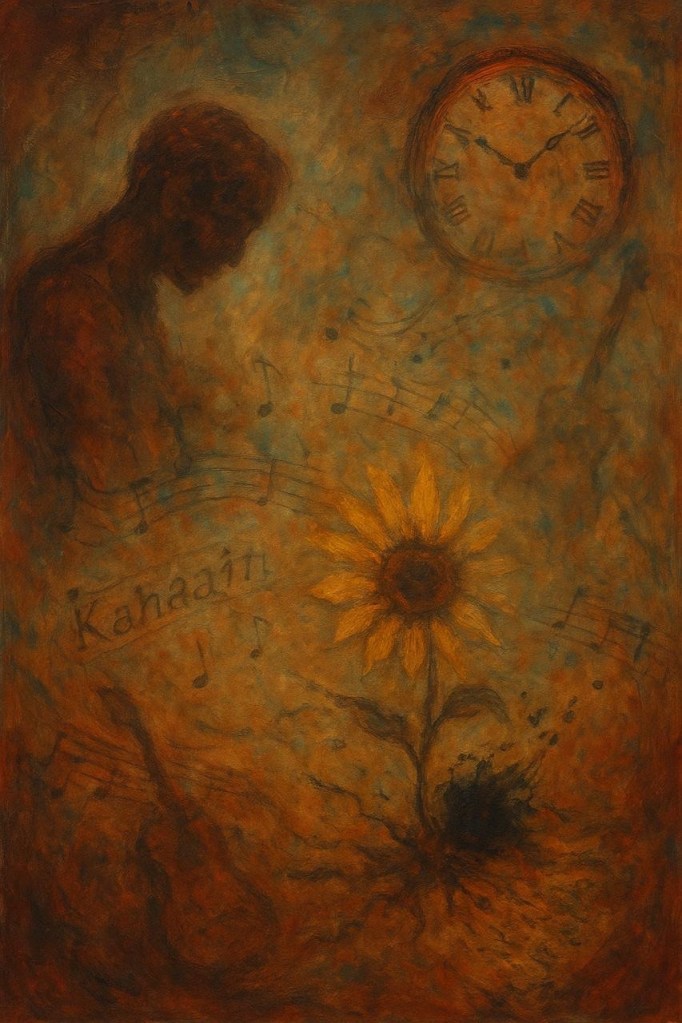
I remember the first day I saw a sunflower. Or maybe it was a streetlamp in July, drunk on the heat and guilt. Time folds weird when you’ve got regret in your mouth like old pennies. She—no, it—no, you stood in the middle of something golden and stupid and I thought, “This is what permanence must feel…
I remember the first day I saw a sunflower. Or maybe it was a streetlamp in July, drunk on the heat and guilt. Time folds weird when you’ve got regret in your mouth like old pennies. She—no, it—no, you stood in the middle of something golden and stupid and I thought, “This is what permanence must feel like.” But permanence is a lie with good lighting.
I didn’t write the letters this time. I tied them to a pigeon’s wing, but the pigeon never came back. Maybe it read them. Maybe it burned them. Or maybe it was never a pigeon, just the part of me that wanted to confess and chew glass for forgiveness.
Do you know how many syllables are in I’m sorry when you whisper it into a night that doesn’t want to hear you? More than language allows. More than my mouth can manage.
I rearranged the clocks. Pushed the minutes back into their eggshells. Unsaid everything except the part where I watched you walk away like a promise I never earned. If I could, I’d pluck every second off the stem, eat the seeds raw, spit out time like venom, and begin again at the point where I should have stayed.
I didn’t write the letters. I carved them into mirrors. They bled backwards. My hands still smell like ink and something heavier.
I’d undo all of it. Every stupid metaphor. Every petal I mistook for truth. Every word I placed between us like a wall. I’d do anything to make it right, even if it means remembering the sunflower wrong, just so I could love it better.
I once sat by a broken clock that ran backwards and thought it was wiser than me. It hummed in rusted circles, and I, a fool with open hands, kept asking it for the right time. The trees around whispered sideways, and the river bent into knots, laughing with its back turned. I didn’t mind.…
I once sat by a broken clock that ran backwards and thought it was wiser than me. It hummed in rusted circles, and I, a fool with open hands, kept asking it for the right time. The trees around whispered sideways, and the river bent into knots, laughing with its back turned. I didn’t mind. I kept waiting.
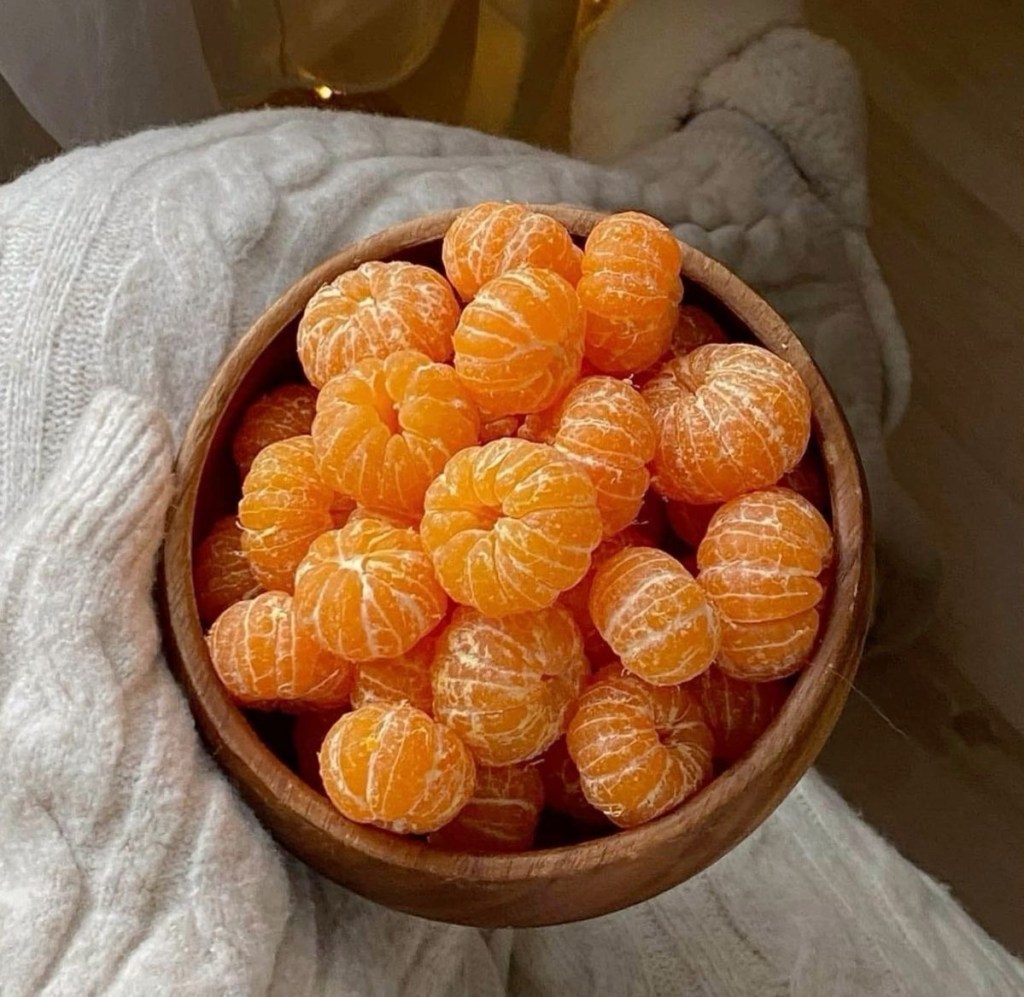
You were somewhere in the smoke, maybe dancing, maybe just breathing, maybe peeling sunlight off an orange, one slow curl at a time. I didn’t know. I just knew the sky had changed its spelling the day I saw you.
Sometimes, I carry a basket full of rain to the hill where all the forgotten things are sleeping. I’d empty it there, thinking maybe you’d find a drop and recognise it as mine. Sometimes I planted chairs in the dirt, hoping one would grow into a table for two. Nothing ever sprouted, but I kept sitting anyway, waiting for the feast.
The birds stitched holes in the clouds with threads of melted snow, and the ground became soft enough to write names in with my bare feet. I wrote yours until the letters got tired of standing straight and lay down to sleep. I didn’t mind. I kept walking.
There are rooms in my heart where the windows are stuck half-open and the rain drips inside when it wants. I never fix them. Maybe one day, you’ll come and sit inside, knees tucked, shoulders warm, holding an orange between us, peeling it slowly, the juice running down our thumbs like tiny suns.
And I will wait. Through every crooked hour, every river that forgets where it’s going, every chair that refuses to bloom, every letter that collapses into dirt.
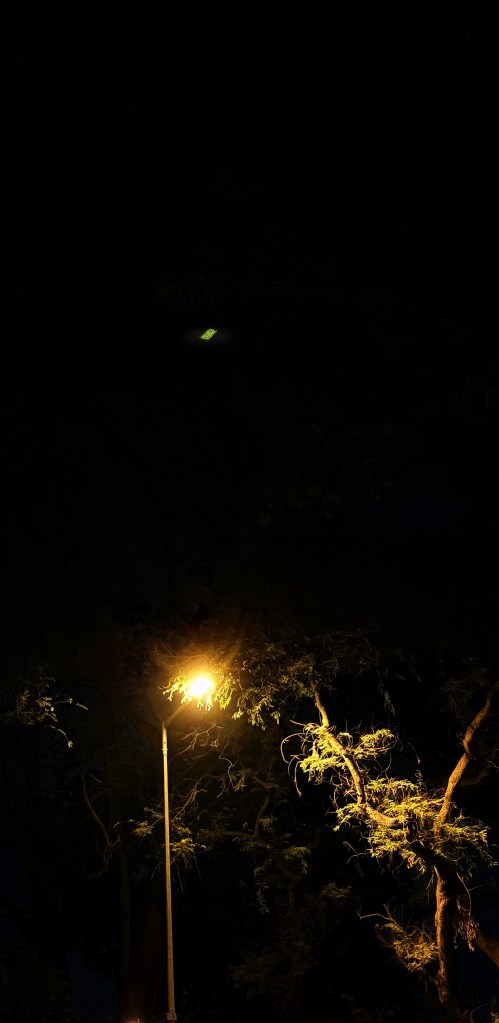
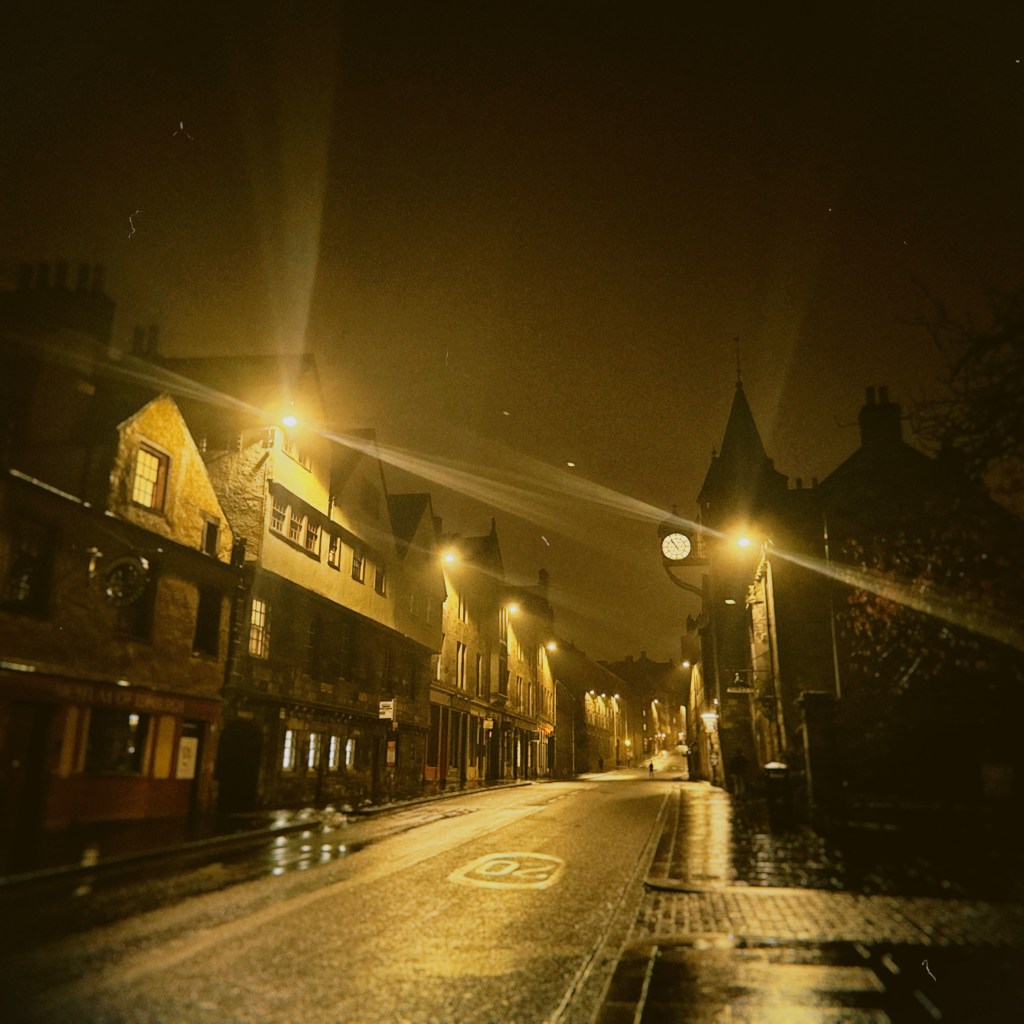
There is a lamppost on the corner of a road no one remembers being built. It stands with a spine bent slightly backward as if surprised to still be standing. The light it casts isn’t gold, not quite. It’s that color just before a dream ends but before you know you’re waking up. It doesn’t…
There is a lamppost on the corner of a road no one remembers being built.
It stands with a spine bent slightly backward as if surprised to still be standing. The light it casts isn’t gold, not quite. It’s that color just before a dream ends but before you know you’re waking up. It doesn’t flicker but you imagine it would if you blinked at the wrong time. And it does blink, with the wind maybe or with the memory of someone once leaning on it, half drunk with hope or half sure it wouldn’t last.
The evening folds in around it, the kind that doesn’t quite settle. That blue which still believes in the sun though the sun has long walked off. And in that bruise-colored hush, the lamppost is alone but not lonely. There’s a difference.
Sometimes, you find yourself staring at it as if it might explain something. The way it holds light as though it’s been entrusted with warmth it didn’t ask for. As though someone once whispered to it, hold this, just for a little while, and forgot to return. You think maybe that’s what love is, the holding of something bright without knowing if anyone will come back for it.
You walk past and it doesn’t call, not in words, but in a hum low enough to miss if you’re too sure of yourself. It hums like old lullabies in languages that didn’t survive. Grief maybe. Or memory. Which are not always different things.
It never moves. Never grows. But still, somehow, it changes. And in that change, you see yourself, heart first and blurred. Because love leaves footprints. And grief walks in them barefoot.
You don’t know why it matters. But the lamppost knows. And it keeps burning. Because to stop would mean admitting that some things don’t return. And maybe it still believes.
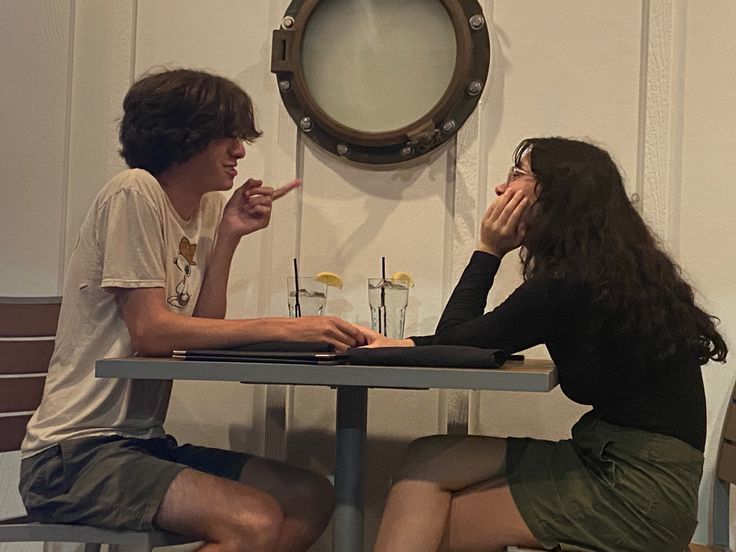
The glow of neon catches your skin—pink and purple painting shadows on the curve of your cheek.We are haloed in “good vibes only,”but the way you look at me is the only gospel I believe. You wrestle with chopsticks,a clumsy dance of wood and slick noodles.Every spicy mouthful steals a blink,your lashes flutter twice like…
The glow of neon catches your skin— pink and purple painting shadows on the curve of your cheek. We are haloed in “good vibes only,” but the way you look at me is the only gospel I believe.
You wrestle with chopsticks, a clumsy dance of wood and slick noodles. Every spicy mouthful steals a blink, your lashes flutter twice like a nervous spell— and I am enchanted.
My food cools, untouched. Yours vanishes, each bite disappearing into the story of your hunger. When I offer you more, you laugh, slide your plate too far, topple the glass of water between us.
“Why didn’t I drink this?” you mutter, grabbing napkins like they’re answers. I want to ask if you are always this messy with things you care for. But I only watch as you swipe at the spill, as though it’s urgent.
When it’s cleaned, I pull my plate between us, a quiet offering, a bridge. You lean forward, foreheads grazing— a fragile hello.
“Don’t move,” you whisper, your breath pooling in the air between us. “Stay like this. Close. Like elephants. Did you know they do this? Heads together, a greeting.”
I don’t tell you I already knew. I don’t tell you I want every moment with you to feel like this— strange, and full, and alive.
Her eyes were the kind you do not just look at; you fall into them and never really climb back out. They had that color of honey mixed with dusk. A warmth that holds you without asking. A light that hurts and heals all at once. When she looked up, the whole garden changed its breath. The world seemed to tilt toward her, as if everything in it was trying to get just a little closer.






 Aaditya Bajpai