
The Indian Culture is vast and versatile, and the same has also been blessed by its diverse literature. One of the finest, most ambitious, zealous and most beautiful pieces of such extra-ordinary literary artistry could be seen in the legendary “Haft Qulzum” (The Seven Seas Dictionary & Grammar of the Persian Language), published by Lucknow Matba’e Sultani, which is one of the Earliest Private Royal Presses in India, established by the infamous Nawab of Oudh from 1817, named Ghaziuddin Haider. With 28000 entries, this beautiful art was compiled and printed on the order of the First King and Last Nawab of Oudh, Ghaziuddin Haider.

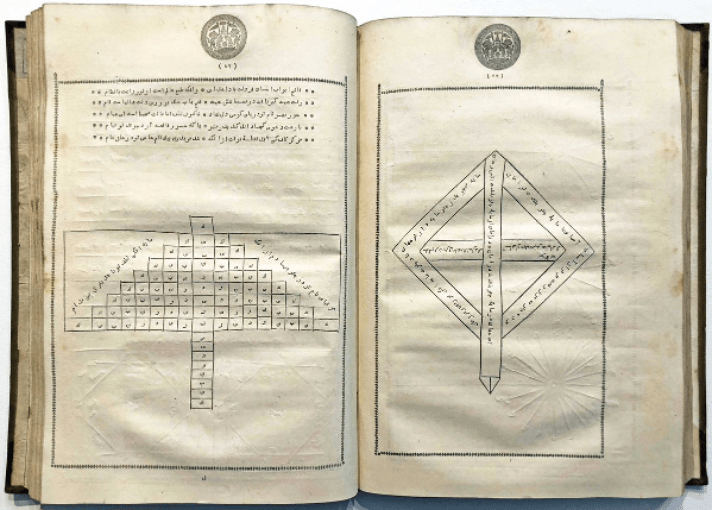
The Haft Qulzum is a wonderful piece of art that exemplifies the last blossoming of Persian cultural heritage, which took place under the auspices of the Royal Court of Oudh. The artwork was presented before the press transitioned to the more advanced method of lithography around the year 1830, and the typesetting is done very well throughout.
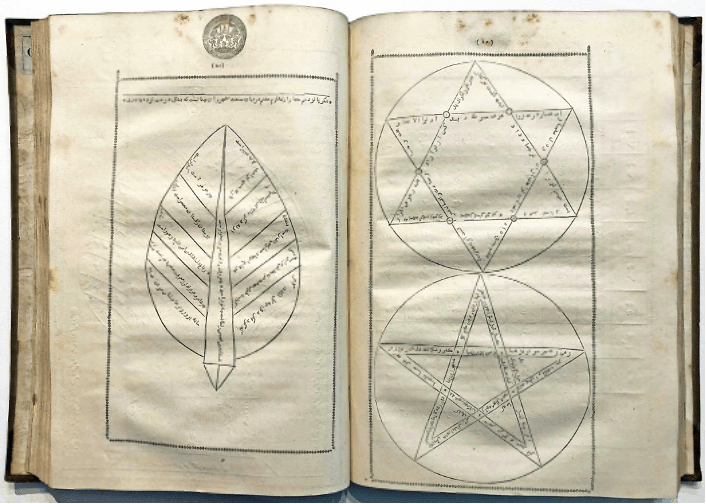
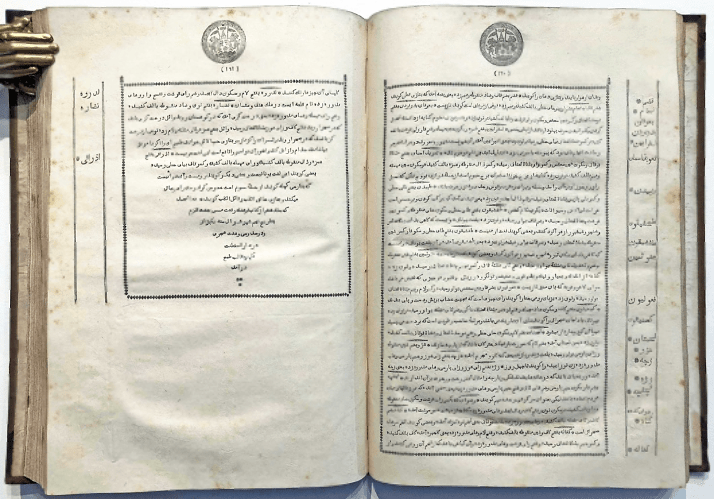
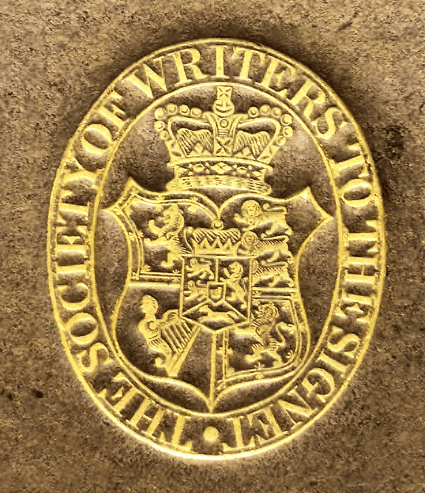
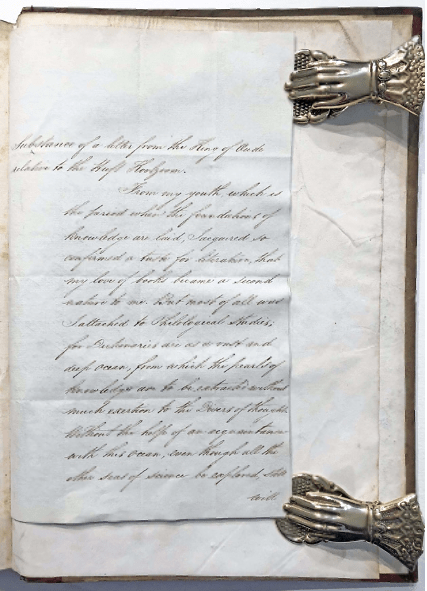
The coat of arms of the Signet Library is gilt-stamped on the boards of this particular edition, which was a gift to the library by George Swinton, who served as Chief Secretary to the Governor of Bengal. A modern manuscript consisting of four pages, which has been tipped in, states that it contains the “content of a letter from the King of Oudh pertaining to the Huft Koolzoom”.
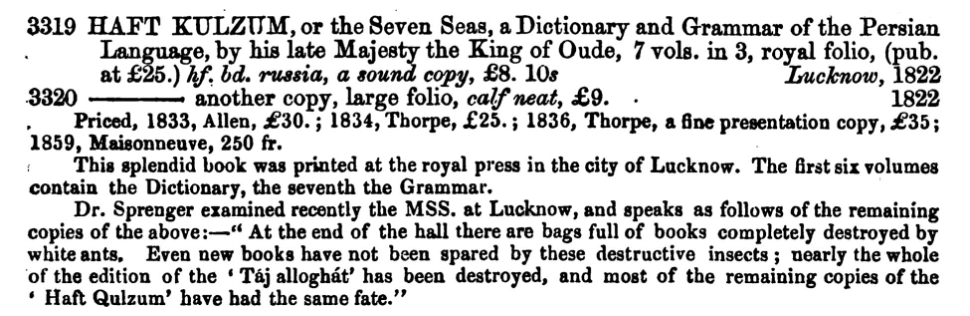
This is the entry for the book in Quaritch’s General Catalogue from the year 1860 (See Image 6). It is remarkable not only because it mentions the obliteration of numerous copies by white ants, but also because it serves as a remembrance of the unprecedented variety of rare books from every region of the world that Bernard Quaritch Ltd. sold.
The king’s enduring passion with literature, and specifically lexicography, is detailed in a handwritten note that has been tipped into the first edition. He parallels dictionaries to “an expansive and unfathomable ocean, from which the pearls of perspicacity and wisdom are to be accumulated without much strain”.
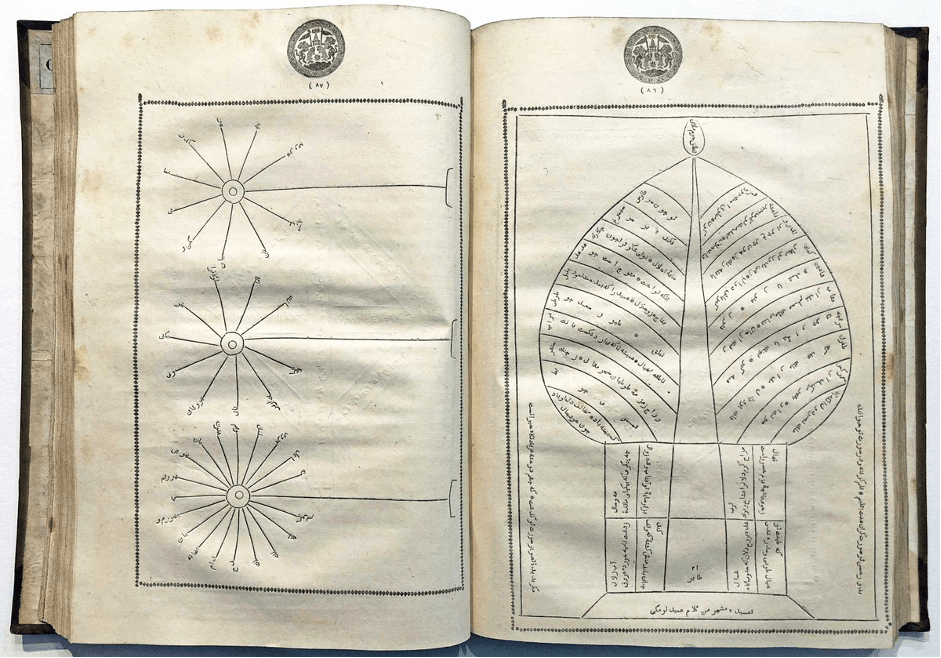
He continues by saying, “Because water is the sovereign postulate of all existence, according to the verse in the Koran that says, ‘I have made of water all things that have life’, so that water is the foundational doctrine of animatronic environment, I have designated this work as the Huft Koolzoom or Seven Seas”.
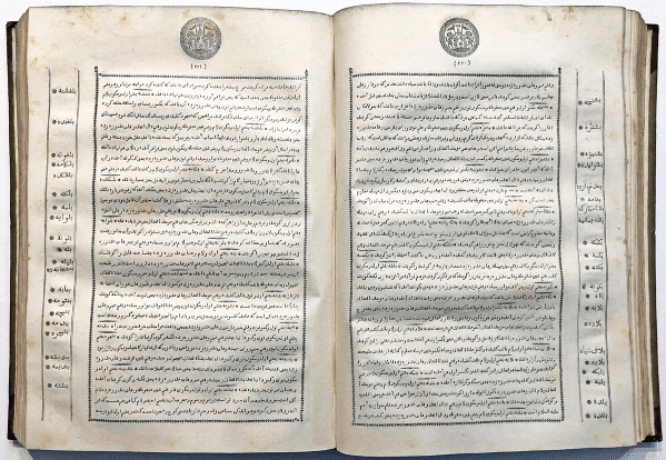
The Lucknow Matba’e Sultani was one of the earliest and finest private Royal Presses in India. It was created in 1817 by Ghaziuddin Haider, who was the Nawab of Oudh at the time. This exquisite lexicon is without a doubt the greatest accomplishment of the Lucknow Matba’e Sultani.
-Aaditya Bajpai
 Aaditya Bajpai